The FCPS Innovation Network
One AI & sustainability innovation center in every high school pyramid. Twenty-four sites, one shared design.
The Strategic Case
Artificial intelligence has already arrived in every classroom in Fairfax County. Every semester without a structured pathway is a semester where 180,559 FCPS students fall further behind the conceptual fluency they will need to navigate the world they are inheriting. The inflection point was not five years away. It was last year.
AI literacy access should not depend on which community happens to have a champion already in the building, or which PTA can fundraise fastest. Every pyramid, across all six regions of the county, needs a structured pathway for its own students, built by design rather than left to chance.
The alternative to a coordinated network is not simply the absence of access. It's 141 individual elementary schools each independently improvising their own approach, with no shared design, no shared procurement, and no shared blueprint, producing uneven results tied to whichever community already has the most resources. A network of 24 purpose-built centers, one per pyramid, solves this by design instead of by chance.
This proposal asks FCPS to build that network: a purpose-built AI and sustainability innovation center in every high school pyramid, sharing one design, one curriculum framework, and one governance structure, so every pyramid gets the same opportunity at the same time.
The question is not whether Fairfax County's students need AI literacy access. It's whether every pyramid gets it, or only the ones lucky enough to have a champion already in the building.
Media Validation
The concept behind this network already has independent, documented validation. Before asking the district to build an innovation center in every pyramid, the case is grounded in what a small-scale version of this model has already demonstrated at Vienna Elementary.
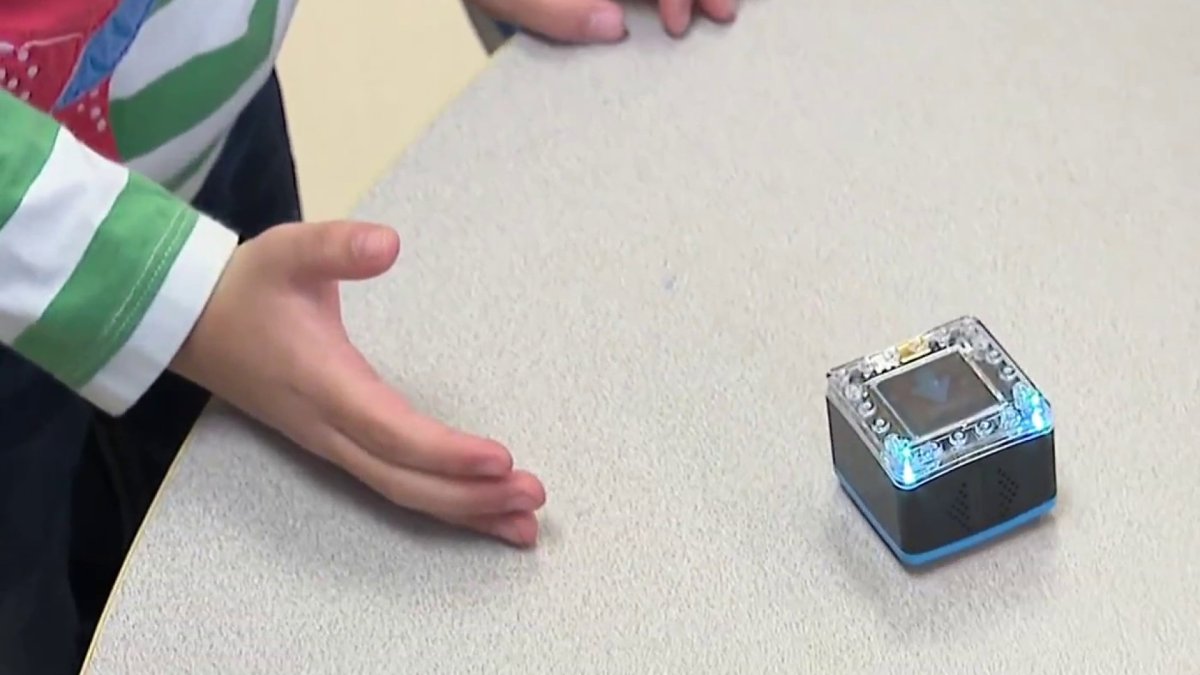
Vienna Elementary's AI Lab Gets Students Ready for the Future
NBC Washington covers how Vienna Elementary students are gaining hands-on AI experience through the school's innovative lab program.
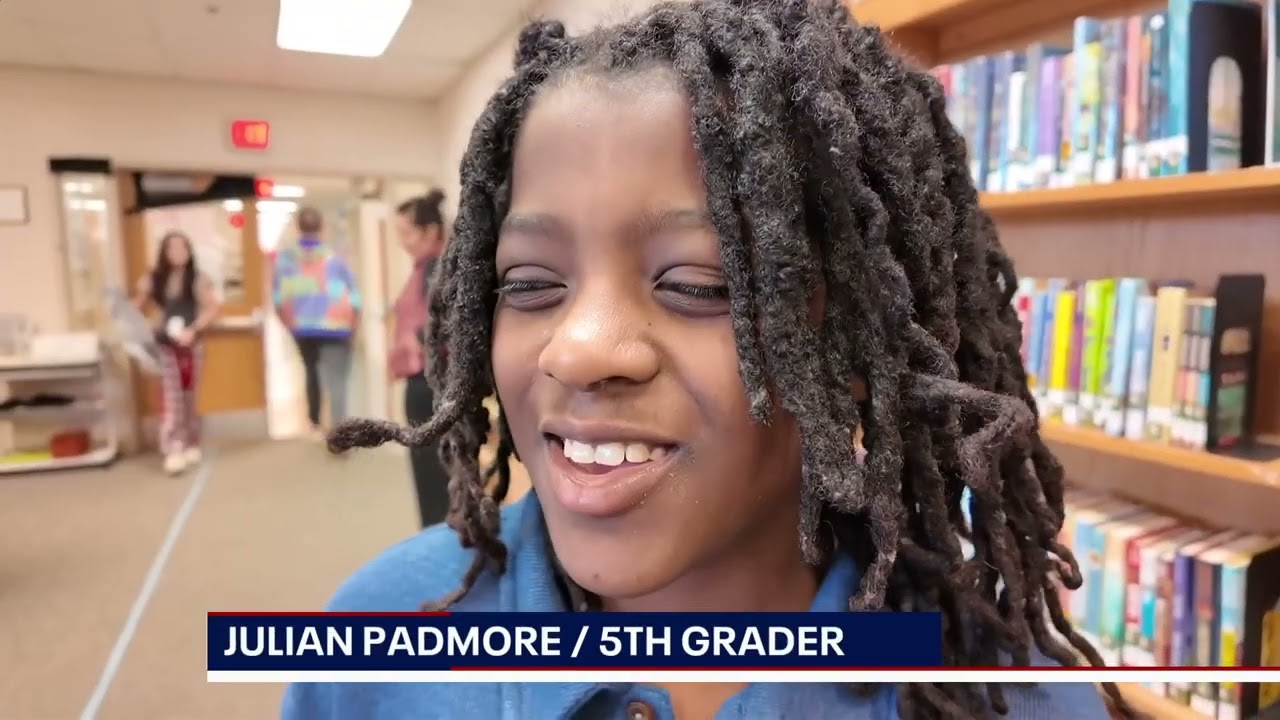
FCPS Students Get Hands-On AI Experience at Vienna Elementary
Fox5 DC highlights the pioneering AI education program giving Fairfax County students real-world technology skills.
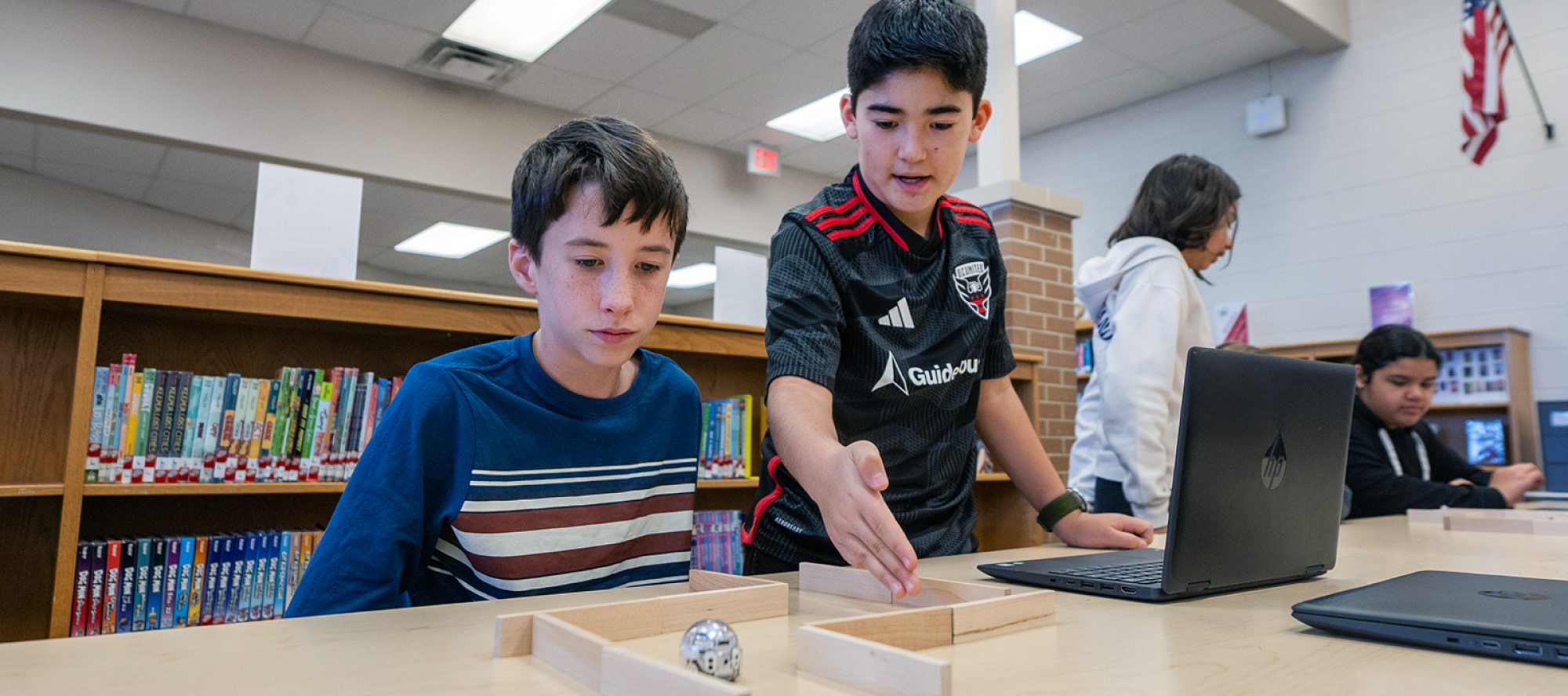
Vienna Elementary Innovation Lab Recognized for AI Education
Official FCPS communications recognize the Vienna Elementary innovation lab as a model for AI-integrated learning across the district.
Article links will open in a new tab.
What Already Exists Today
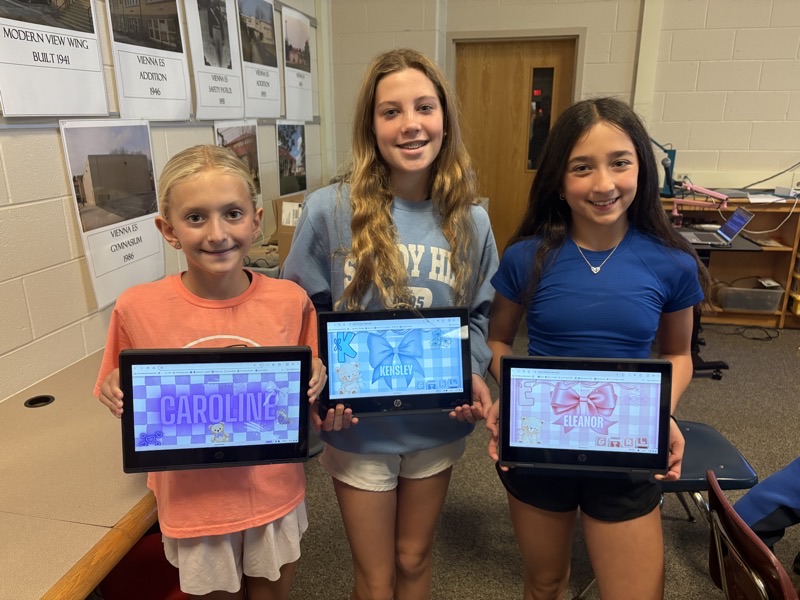
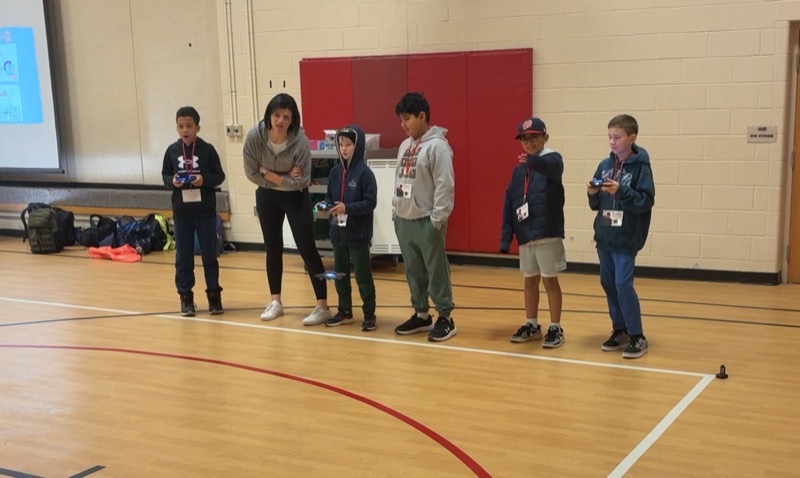
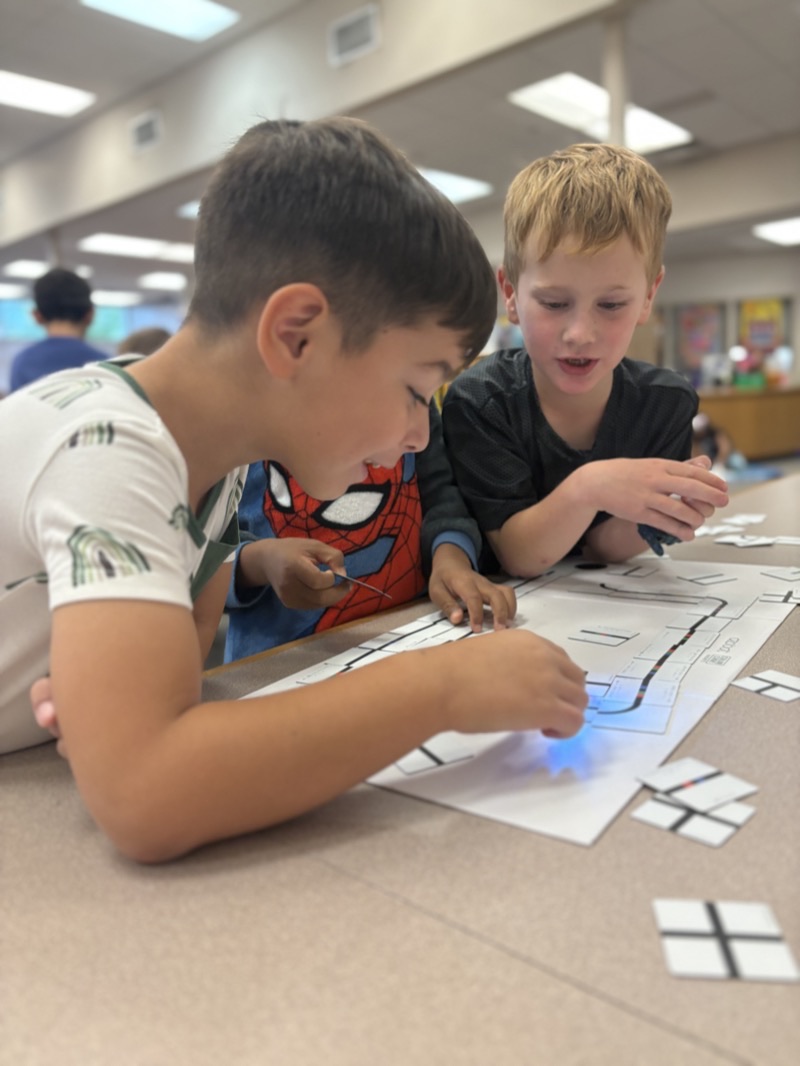
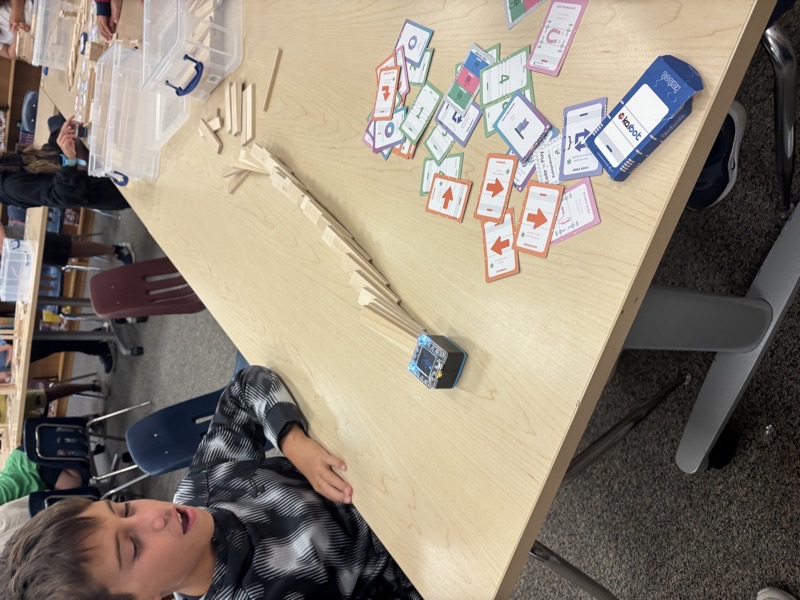
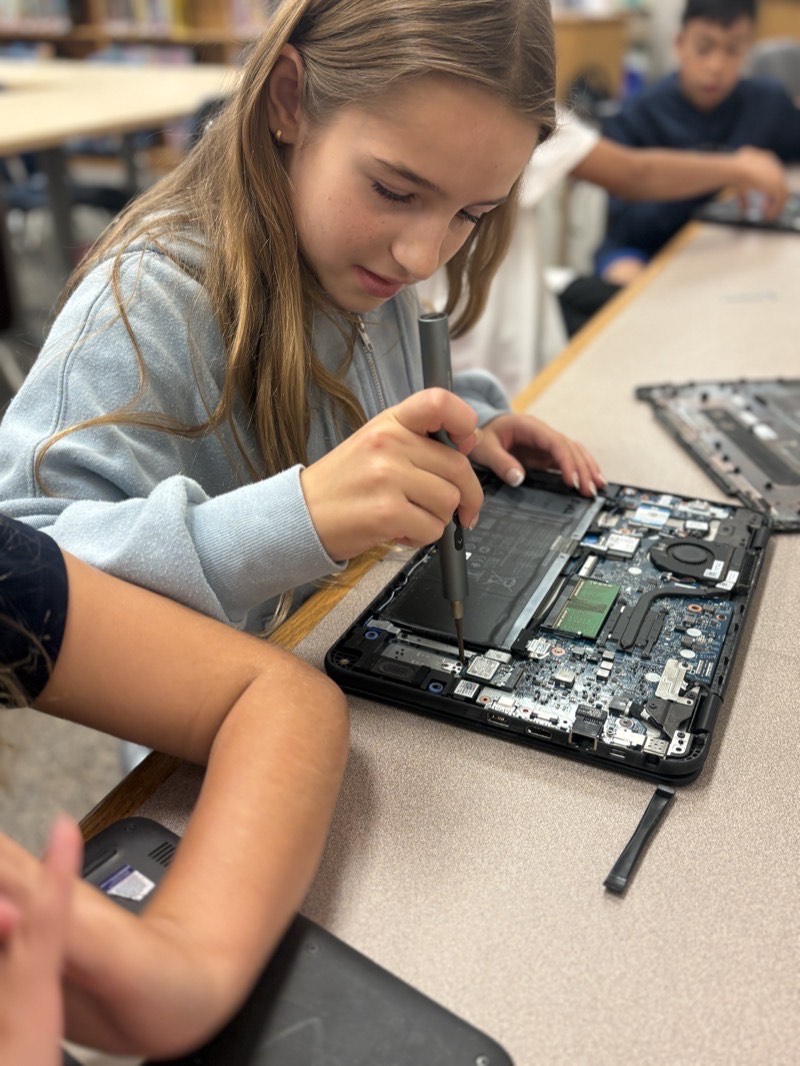
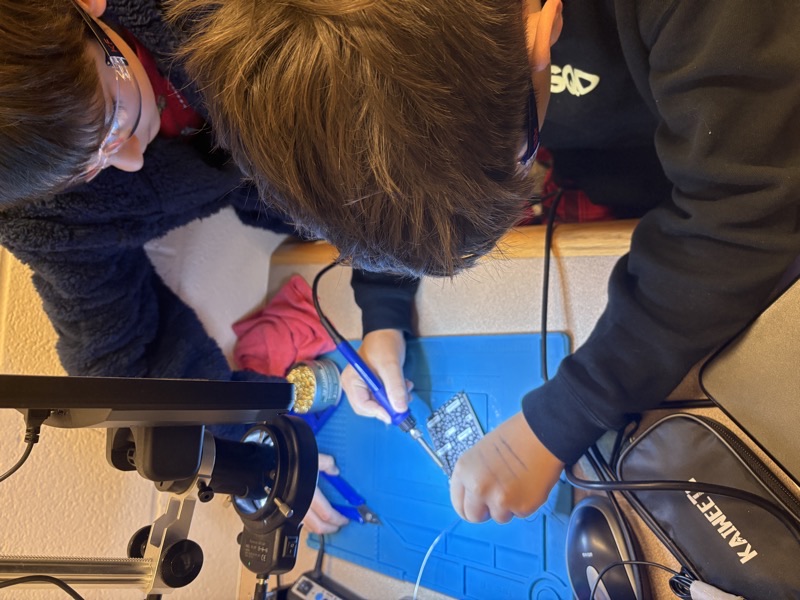
None of the 24 proposed innovation centers are built yet. What exists today is one small-scale, PTA-supported proof-of-concept in the Vienna Elementary School library, real, running, and photographed below, grounding the case for what a purpose-built version of this could do at every pyramid.
The Shared Facility Design
Every innovation center in the network, all 24 of them, including the one proposed for Vienna Elementary, is built from the same design: a purpose-built, partially subterranean structure where a glass atrium entrance gives way to specialized learning environments designed from the foundation up. From floor plan to mechanical system, the building itself teaches.
The Subterranean Innovation Atrium
At grade level, visitors will enter through a glass atrium, each site's entry port and most visible architectural statement. Natural light will flood the interior before the space transitions downward into the subterranean core of the facility. A clear-top tube slide will descend from the atrium to the lower level at every site, a signature feature designed to signal to every student and visitor that this facility is unlike anything else in their pyramid.
The upper level, visible from the entrance and bathed in atrium light, will house the AI Studio, Maker Commons, Digital Media Studio, AR/VR Immersion Space, and a series of glass-walled Design Pods overlooking the lower level from an observation balcony, at every one of the 24 sites. These spaces are designed for collaboration, ideation, and digital creation, forming the conceptual tier where students think, design, and iterate.
The lower level is where ideas become physical, at every site. The Fabrication Lab, isolated with negative air pressure for safety, anchors this floor alongside the CNC and Wood Shop, the Aquaponics and Hydroponics Sustainability Lab, and a Sensory Lab designed for inclusive, multi-sensory learning experiences. The Glass Atrium Connector serves as the central circulation spine, linking both levels through each building's luminous core.
The Building Teaches
The sustainability systems proposed for every site are themselves curriculum. Geothermal HVAC will regulate each subterranean environment while generating real-time data students can monitor and analyze. Rooftop solar panels will power each building and provide a live energy production dashboard. A greywater reuse system will demonstrate responsible resource management at every site. The aquaponics integration creates a living laboratory where biology, chemistry, engineering, and environmental science converge in a single system students manage themselves.
Each green feature is designed to double as an instructional tool embedded in the infrastructure, at every one of the 24 sites. Students will not read about sustainability, they will operate it: tracking kilowatt-hours, measuring water quality, harvesting produce, and presenting findings. The infrastructure is the instruction, network-wide.
Every system in this building is a lesson waiting to be taught, at every site in the network.
Innovation Center Zones (Shared Across All 24 Sites)
AI Studio
Model training, prompt engineering, AI concept exploration
Maker Commons
Open workspace for prototyping, collaboration, and design thinking
Digital Media Studio
Video production, podcasting, digital storytelling
AR/VR Immersion Space
Augmented and virtual reality experiences, spatial computing
Design Pods
Overlooking lower level, small-group ideation spaces
Fabrication Lab
3D printing, laser cutting, negative air pressure isolation
CNC & Wood Shop
Computer-controlled fabrication and traditional woodworking
Aquaponics Lab
Living sustainability systems as hands-on curriculum
Sensory Lab
Inclusive multi-sensory learning experiences and adaptive technology
Glass Atrium
Ground-level entry port, tube slide descent, natural light cascade, central circulation
Where: The 24 Host Sites
Each of FCPS's 24 high school pyramids gets one proposed innovation center, sited at the pyramid's most logistically sensible elementary campus. Madison's host site, Vienna Elementary, is already confirmed, home to the proof-of-concept pilot, though its innovation center is proposed and not yet built, the same feasibility-study stage as the other 23. Those 23 pyramids' host sites are provisional placeholders pending direct verification with FCPS's Office of Facilities Planning Services.
Siting Methodology
Each host elementary is screened, not assumed, against the same criteria at every pyramid: acreage (a base of 3-5 acres plus roughly 1 acre per 100 pupils, per standard elementary site sizing rules of thumb), centrality within the pyramid's own boundaries, and transit access for the visiting-student program. This is consistent with Fairfax County's own Comprehensive Plan policy, which explicitly encourages co-locating multiple education facilities on existing school sites.
Final siting for all 23 non-Madison pyramids requires direct verification with FCPS's Office of Facilities Planning Services (571-423-2320), particularly given the active 2024-2026 comprehensive boundary review, the first in more than 40 years, which is reassigning school attendance areas for the 2026-27 school year. Every host-elementary candidate above should be read as provisional until that verification happens.
None of the 24 innovation centers, including Vienna's own, are built yet. All 24 are proposed, pending feasibility studies, siting verification, and board approval.
STEAM 2.0 Academic Model
The goal is AI-literate thinkers at every grade level a pyramid serves, not junior programmers. STEAM 2.0 threads science, technology, engineering, arts, and math through every project, with artificial intelligence as the connective thread and sustainability as the real-world context, from kindergarten through twelfth grade at every site in the network.
Building Mental Models
- Pattern recognition and classification activities
- Token simulation and unplugged AI concepts
- Robotics fundamentals (sequence, input/output)
- Collaborative design challenges
- Sustainability observation and journaling
From Concepts to Creation
- Model training simulations and image classification
- Prompt engineering and AI tool fluency
- Engineering design process with fabrication
- Digital media production and storytelling
- Sustainability data analysis and system management
From Fluency to Application
- Applied machine learning projects and model evaluation
- AI ethics, policy, and societal impact seminars
- Systems-level sustainability engineering
- Student-led fabrication and product design capstones
- Internship and dual-enrollment pathways with industry and university partners
The progression from K-3 through grade 12 is intentional. Younger students build the conceptual vocabulary (what a pattern is, how a sequence works, why input determines output) so that by grade four, they can engage meaningfully with AI tools rather than just clicking buttons. By seventh grade, a student who has spent years classifying objects, training models, and programming robots arrives ready to apply that fluency to real ethical questions, sustainability engineering, and independent capstone work through graduation.
Sustainability is the authentic context for every project, at every grade band, at every site. Students monitor each building's actual solar output and geothermal performance. They manage the aquaponics system, test water quality, and harvest produce. When the context is real, the learning is durable.
Equity by Design
Equity across this network is a structural feature of the operating model at every one of the 24 sites: built into the budget, the schedule, and the facility itself. Each week, every center opens its doors to students from across its own pyramid who would otherwise never access this kind of learning environment. This is equity by design, not by accident, anywhere in the network.
Each site runs 6 half-day visiting sessions a week (morning or afternoon slots, out of 10 possible across the 5-day week), reserving the remaining 4 for the host elementary's own daily curriculum use. Visiting classes (about 26 students each, one class per session) come from the other schools in that same pyramid, its high school, middle school or schools, and remaining elementary schools, not from across the county, so trips are short and sessions run half a day instead of a full one. That also means no lunch program is needed. Each host school sets its own specific arrangement of which sessions are visiting versus local based on its own scheduling needs; a host might run 5 afternoon and 1 morning visiting session and use its remaining mornings for its own students. All FCPS schools within a pyramid are eligible to visit, with priority scheduling given to Title I and historically underserved communities, and transportation is provided by the district. Network-wide, this is 3,744 students each week and 112,320 each year, drawn from every pyramid in the county, not concentrated wherever one community happened to build first.
Why this matters: many FCPS students will never have access to 3D printers, AI training tools, or aquaponics systems through their home school. The resources simply do not exist in every building. A network of 24 sites, each serving its own pyramid, ensures that zip code does not determine access to future-ready learning anywhere in the county.
The five-year trajectory makes the scale clear. At 112,320 visiting students per year, the network will serve more than 561,600 district students over its first five years of operation. This is a pipeline: a systematic, funded, repeatable mechanism for delivering equitable access to learning environments that individual schools cannot build on their own, at every pyramid simultaneously.
Equity is not a program any one site runs occasionally. It's the reason every one of these twenty-four buildings exists.
Session-frequency and transport figures assume 26 students per visiting class (FCPS's own elementary class-size average was 22.3 as of the last figure available, but is treated here as understated) and an average 3-mile one-way trip between a visiting school and its pyramid's host site. FCPS doesn't publish pyramid-level distance data, so this is a modeling estimate pending confirmation from FCPS Transportation Services, same as the siting grid itself.
Governance & Risk Mitigation
This network is designed to operate within FCPS's existing organizational structure at every site. Clear governance, a defined leadership pipeline at each location, and a single Advisory Council overseeing all 24 sites ensure the network is institutionally sustainable from day one. Every foreseeable risk at network scale has a mitigation strategy before the first shovel breaks ground anywhere.
Leadership & Staffing Model
Each site follows the same proposed leadership model: a founding Director leads that site's buildout, curriculum rollout, and community partnership establishment in Years 1-2, supported by a Lab Technician and a part-time Sustainability Coordinator. None of this staffing exists yet anywhere; it is a proposed model applied identically at all 24 sites, not a proven operating structure at any one of them today.
Year 3 transition: at every site, a full-time, district-hired Innovation Center Director assumes operational leadership. A single Advisory Council, comprising district administrators, community leaders, university partners, and corporate sponsors from across all six regions, provides strategic oversight for the entire network and ensures alignment with district priorities.
Anticipated Risks & Embedded Solutions
Coordinating construction across 24 sites simultaneously strains district capacity, or any single site encounters unexpected conditions, cost overruns, or permitting delays.
MitigationPhased rollout in waves of roughly 8 sites rather than all 24 at once. Midpoint-high budgeting with built-in contingency at every site. Geotechnical survey included in the feasibility study scope for each site before its wave begins.
Network-wide annual operating costs exceed budget or district funding priorities shift.
MitigationHybrid funding model diversifies revenue across district capital, municipal partnerships in every locality that hosts a site, grants, and corporate sponsorship. No single funding source represents more than 40% of either the network's capital or operating budget.
Communities in later construction waves perceive the rollout order as favoritism toward earlier-built sites.
MitigationA published, criteria-based siting and sequencing methodology applied identically to all 24 pyramids, not decided site by site. The visiting-session program is budgeted, scheduled, and visible from each site's launch, not an afterthought at any of them.
Key personnel departure at any one of 24 sites disrupts that site's operations or institutional knowledge.
MitigationShared curriculum documentation, SOPs, and central Advisory Council oversight ensure operational continuity at every site independent of any single staff member. The network runs on shared systems, not on any one person at any one location.
Every risk in this network has been answered before it was asked, at every one of the 24 sites.
The Financial Model
The total capital investment for this network, across all 24 sites, is $92.4 million, modeled with contingency built into every line item and realistic shared-infrastructure procurement pricing where sites can pool costs. The stabilized annual operating budget reaches $14.05 million per year, network-wide, by Year 3. All figures are conservatively modeled with multiple funding sources, no single point of financial failure, and a cost-per-student figure that stays a small fraction of the district's own average.
Capital Investment: $92.4M, Network-Wide (24 Sites)
Annual Operating Budget: $14.05M, Network-Wide (Year 3 Stabilized)
Hybrid Funding Strategy
The $92.4M capital investment is designed to be funded through a hybrid model that does not depend on any single revenue source. District capital plan alignment and existing bond capacity provide the primary funding mechanism, supplemented by municipal partnerships with each locality that hosts a site, not just Vienna. Federal and state STEM education grants (including Title IV-A and Virginia's Innovation Fund) target exactly this type of purpose-built learning infrastructure, at network scale.
Corporate sponsorship and naming rights across 24 sites create a supplementary revenue stream that reduces district financial exposure while building private-sector partnerships throughout the county. The operating budget follows the same diversified model: district allocation covers core staffing, while grants, sponsorships, and program fees for external groups sustain technology refresh and enrichment programming, at every site. No single funding source represents more than 40% of either the network's capital or operating budget. The diversification is deliberate.
Cost Per Student
This figure uses a five-year amortization (capital plus five years of operating, divided by students times five years), scaled to all 180,559 FCPS students, since a network of 24 sites, one per pyramid, reaches every grade level across the county. For context, FCPS's own average operating cost per student is $21,986 a year, and specialized enrichment programs in comparable Northern Virginia districts range $400-$800 per student annually. At $180 per served student per year, this network delivers 24 purpose-built, permanently staffed facilities with sustainability infrastructure, AI tools, and fabrication equipment, year-round and fully operational, at a small fraction of what the district already spends per student on ordinary instruction.
All figures above are modeling assumptions, not confirmed FCPS budget allocations. The $180,559 student count is FCPS's own 2024-25 total enrollment. Treat every dollar and every percentage on this page as a proposal projection pending district review.
Network Rollout Trajectory
From feasibility study approval through full network operation, every year has defined milestones, measurable deliverables, and clear accountability across all 24 sites. This is a disciplined, phased buildout, not an open-ended experiment.
Districtwide Feasibility Study
- Approve feasibility study funding covering all 24 proposed sites
- Geotechnical survey and site assessment at every candidate host elementary
- Shared architectural concept development, one design used everywhere
- Community engagement across all six regions
Design & Approvals
- Finalize the shared architectural design and engineering used at all 24 sites
- Secure permits and regulatory approvals for the first construction wave
- Finalize hybrid funding commitments network-wide
- Launch corporate sponsorship outreach across the network
- Begin shared curriculum framework development
Wave 1 Construction (8 Sites)
- Break ground on the first cohort of 8 innovation centers, one per region's highest-readiness pyramid
- Hire founding Directors for Wave 1 sites to lead buildout, curriculum rollout, and community partnership work
- Begin technology and equipment procurement at network-negotiated pricing
- Hire Lab Technicians and PT Sustainability Coordinators for Wave 1 sites
- Each Wave 1 host site finalizes its own visiting-session schedule (which AM/PM slots are visiting versus local use) ahead of Year 3 launch
Wave 1 Activation & Wave 2 Construction
- Wave 1 sites fully operational; launch their visiting-pyramid session programs at 6 sessions/week per site
- Transition Wave 1 sites from founding Directors to full-time, district-hired Innovation Center Directors
- Advisory Council formalized, network-wide
- Break ground on Wave 2's 8 sites
- Hire founding Directors, Lab Technicians, and PT Sustainability Coordinators for Wave 2 sites, each host site finalizing its own visiting-session schedule ahead of Year 4 launch
Wave 2 Activation & Wave 3 Construction
- Wave 2 sites fully operational; launch their visiting-pyramid session programs at 6 sessions/week per site
- Transition Wave 2 sites from founding Directors to full-time, district-hired Innovation Center Directors
- Break ground on the final 8 sites (Wave 3)
- Hire founding Directors, Lab Technicians, and PT Sustainability Coordinators for Wave 3 sites, each host site finalizing its own visiting-session schedule ahead of Year 5 launch
- Refine curriculum network-wide based on Wave 1 data
- Publish first network-wide annual impact report
Full Network Operational
- All 24 sites fully operational
- Wave 3 sites launch their visiting-pyramid session programs at 6 sessions/week per site; transition from founding Directors to full-time, district-hired Innovation Center Directors
- AI literacy pathway available in every pyramid, K-12
- Near 100% energy offset across the network
- Present network-wide outcomes to the Board
Measurable Outcomes
By Year 5, this network will prove its success with data at every one of its 24 sites. Each benchmark below is a measurable accountability commitment tied to the network's core mission.
AI Literacy Across Every Pyramid's Served Students
Students who complete the program at any of the 24 sites, whether from that pyramid's host elementary or its visiting-pyramid sessions, will demonstrate measurable AI conceptual fluency appropriate to their grade level.
District Students Served, Network-Wide
Cumulative visiting students from across the county through the visiting-pyramid session program at all 24 sites. Documented by pyramid, school, and region to verify equitable distribution.
Zero Carbon Footprint, Network-Wide
Every site's integrated geothermal, solar, and greywater systems are designed to achieve near 100% energy offset and zero carbon footprint, monitored in real time by students as living curriculum.
Innovation Centers Serving Every Pyramid
A fully built network, one purpose-built center per high school pyramid, each sharing the same facility design, curriculum framework, staffing model, and budget structure.
These are commitments, built into the operating model at every one of the twenty-four sites, and reported annually.
The Ask
Every pyramid in Fairfax County deserves the same access to AI and sustainability education. Three actions move this from proposal to a fully built network.
Approve the Districtwide Feasibility Study
Fund a comprehensive feasibility study covering all 24 proposed sites: geotechnical survey, shared architectural concept development, site assessment, and community engagement across every region. The rest of the timeline depends on it.
Align Capital Planning
Include all 24 innovation centers in the district's capital improvement plan and bond capacity analysis from the start, network-wide, not as a later expansion once one site is finished.
Establish Network Designation
Formally designate this 24-site network as FCPS's official AI and sustainability innovation program, giving the shared design, curriculum, procurement, and governance structure institutional standing before any site's feasibility study begins.
This network is ready to be proposed. The question is not whether Fairfax County will lead or follow. It's whether every pyramid gets the chance, or only the ones with the resources to build it themselves.
David Reynolds, Jr. | SBTS, Vienna Elementary School